



The kei truck electric market is still much smaller than the gasoline kei-truck market, but Japan has already proved that tiny battery-powered commercial vehicles can work. Mitsubishi even sold a true electric kei pickup, the Minicab-MiEV Truck, beginning in 2013.
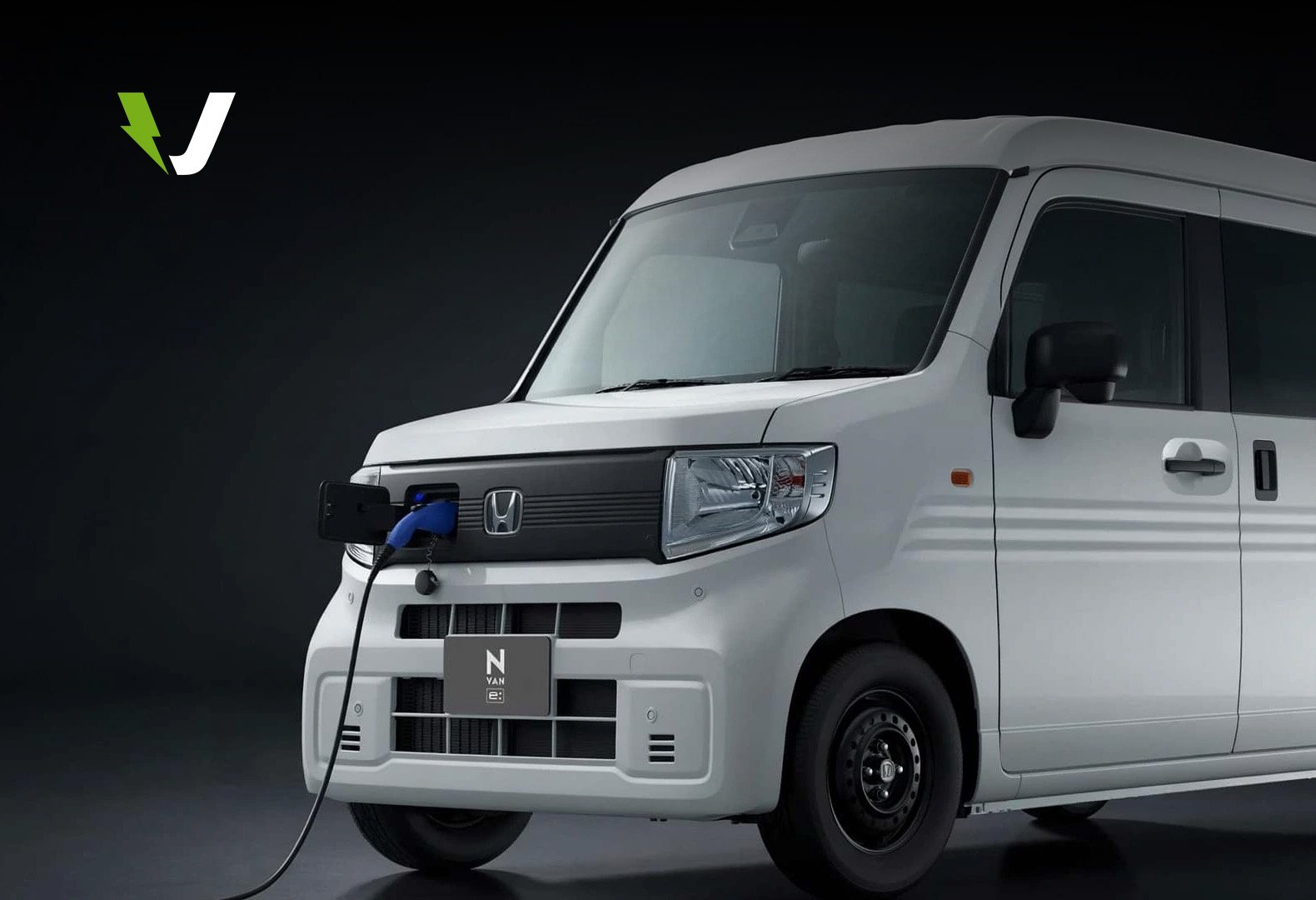
In 2026, most of the newest electric kei commercial vehicles are actually vans rather than open-bed pickup trucks. Models such as the Mitsubishi Minicab EV, Nissan Clipper EV, Honda N-VAN e:, and Daihatsu e-Hijet Cargo show where the segment is heading while buyers wait for more modern battery-electric kei pickups.
Table of Contents
- What Is a Kei Truck Electric?
- Which Electric Kei Trucks Exist?
- Battery, Range and Charging Technology
- Payload and Everyday Commercial Use
- Electric Kei Truck vs Electric Kei Van
- FAQs
- Conclusion
Quick Information
| Detail | Information |
|---|---|
| Vehicle category | Japanese kei-class commercial EV |
| Traditional body style | Small cab-over pickup |
| Historic production EV pickup | Mitsubishi Minicab-MiEV Truck |
| Historic battery | 10.5 kWh |
| Historic range | 110 km JC08 |
| Historic payload | 350 kg |
| Historic motor output | 30 kW maximum |
| New 2026 kei EV trend | Electric commercial vans |
| Current examples | Minicab EV, Clipper EV, N-VAN e:, e-Hijet Cargo |
| Main use cases | Farms, deliveries, municipal work, local businesses |
What Is a Kei Truck Electric?
A kei truck is a tiny Japanese commercial vehicle designed around the country’s kei-car regulations. Traditional examples include the Suzuki Carry, Daihatsu Hijet Truck, Mitsubishi Minicab Truck, and Nissan Clipper Truck.
A kei truck electric replaces the small gasoline engine with an electric motor and traction battery. Because these vehicles normally make short journeys, return to the same depot or farm, and operate at relatively low speeds, their use pattern can suit battery-electric technology particularly well.
Kei vehicles are also extremely compact. Mitsubishi’s earlier Minicab-MiEV Truck measured only about 3.4 meters long while maintaining the same 350 kg maximum load capacity as the gasoline Minicab Truck.
Internal linking opportunity: Link this section to articles about Japanese kei trucks, commercial EVs, or last-mile electric delivery vehicles.
Which Electric Kei Trucks Exist?
The clearest production example of a genuine electric kei pickup is the Mitsubishi Minicab-MiEV Truck.
Mitsubishi introduced the model in Japan in January 2013. It used a 10.5 kWh lithium-ion battery, a 30 kW electric motor, and offered a rated 110 km range on the older JC08 test cycle.
Its flat cargo bed retained the practical capabilities of the conventional Minicab Truck. Mitsubishi specifically highlighted uses such as carrying agricultural products and making quiet early-morning or late-night deliveries.
What is available in 2026?
The interesting change is that Japan’s current electric kei-commercial expansion is focused mainly on box-shaped vans.
Mitsubishi’s newer Minicab EV provides 180 km WLTC range, while Nissan sells the related Clipper EV. Honda’s N-VAN e: reaches a claimed 245 km WLTC, and Daihatsu launched its first mass-produced BEVs, the e-Hijet Cargo and e-Atrai, in February 2026.
Daihatsu also updated its gasoline-powered Hijet Truck in March 2026, but its new BEV launch applies to the Hijet Cargo van, not the open-bed Hijet Truck.
That distinction is important when shopping online, because “electric kei truck” is sometimes used loosely for any small Japanese commercial EV.
Battery, Range and Charging Technology
The original Minicab-MiEV Truck demonstrates how little battery capacity a compact work vehicle may need.
Its 10.5 kWh lithium-ion battery delivered 110 km on the JC08 cycle. Mitsubishi specified approximately 4.5 hours for normal 200V charging and around 15 minutes to 80% using compatible fast charging.
Modern electric kei vans show how much the technology has improved.
Honda’s N-VAN e:, for example, uses a 29.6 kWh-class battery system and provides 245 km WLTC range. Honda states that normal 6 kW charging takes around 4.5 hours, while 50 kW DC fast charging takes approximately 30 minutes under suitable conditions.
Nissan’s Clipper EV can also use normal and rapid charging. Nissan lists approximately 42 minutes to 80% when using a quick charger capable of at least the specified current.
Why huge batteries are unnecessary
A farm truck traveling 25 km per day does not require a 100 kWh battery.
Using a smaller pack can provide several benefits:
- Lower vehicle weight
- Lower manufacturing cost
- Less battery material
- Faster overnight charging
- More space for cargo
- Better efficiency in urban driving
The trade-off is limited suitability for long highway journeys.
Payload and Everyday Commercial Use
Electric drivetrains make particular sense for low-speed commercial work because electric motors produce strong torque immediately from a standstill.
The historic Mitsubishi electric pickup produced 196 Nm of maximum torque, which helped it move loaded cargo without needing a conventional multi-speed transmission. Its maximum payload remained 350 kg.
Practical example: farming
Imagine a vegetable farm where a kei truck travels between fields, storage buildings, and a nearby market.
A battery-powered model could be charged overnight at the farm. During the day it could move produce without engine idling, gasoline stops, or loud exhaust noise.
Electric commercial kei vehicles can be especially useful for:
- Agricultural businesses
- Local deliveries
- Maintenance teams
- Municipal authorities
- Warehouses
- Factory sites
- Parks and private facilities
Newer models also add useful power-export functions. Mitsubishi’s Minicab EV provides an AC 100V outlet capable of supplying up to 1,500W, allowing tools or appliances to operate from the vehicle’s battery.
Electric Kei Truck vs Electric Kei Van
A pickup and a van serve different jobs even when their batteries and motors are similar.
| Electric kei pickup | Electric kei van |
| Open cargo bed | Enclosed cargo space |
| Better for dirty or oversized loads | Better weather protection |
| Useful for farms and construction | Better for delivery businesses |
| Easier side loading | Better cargo security |
| Currently few modern BEV choices | Several current BEV choices |
The historic Minicab-MiEV Truck is the better layout for soil, equipment, plants, containers, and construction materials.
Current vehicles such as the Mitsubishi Minicab EV, Nissan Clipper EV, and Honda N-VAN e: offer much better range and newer safety technology, but their enclosed bodies make them more like electric microvans than traditional kei trucks.
Advantages of an electric kei truck
- Very low local tailpipe emissions
- Quiet operation
- Immediate motor torque
- Low energy consumption
- Simple electric drivetrain
- Ideal for repeated short trips
- Potential vehicle-to-load capability
Disadvantages
- Very limited new-pickup availability
- Older electric trucks have small batteries
- Range falls with heavy loads and cold weather
- Imported examples may lack local parts support
- Charging standards can differ by country
- Kei dimensions limit cargo and cabin space
Anyone importing an older Japanese electric kei truck should also confirm road-registration rules, charging compatibility, battery condition, and availability of replacement components in their own country.
FAQs
1. Is there an electric kei truck?
Yes. Mitsubishi produced the Minicab-MiEV Truck, a fully electric kei pickup launched in Japan in 2013.
2. What range does an electric kei truck have?
The Minicab-MiEV Truck was rated at 110 km on the JC08 cycle. Modern electric kei vans can offer much more, including 180 km for the Minicab EV and 245 km for the Honda N-VAN e:.
3. How much can an electric kei truck carry?
Mitsubishi rated the Minicab-MiEV Truck for a maximum payload of 350 kg, matching its gasoline-powered base vehicle.
4. Does Suzuki sell an electric Carry kei truck?
As of August 2026, Suzuki has not launched a battery-electric Carry pickup in the sources reviewed. Suzuki is developing other kei-class BEVs, but a current production electric Carry should not be assumed without an official announcement.
5. Are new electric kei commercial vehicles available?
Yes. Current examples include Mitsubishi Minicab EV, Nissan Clipper EV, Honda N-VAN e:, and Daihatsu e-Hijet Cargo, although these are vans rather than traditional open-bed pickups.
Conclusion
The kei truck electric concept is already proven, even though modern electric pickup choices remain limited. Mitsubishi demonstrated more than a decade ago that a tiny 10.5 kWh battery, strong electric torque, and a 350 kg payload could create a practical zero-tailpipe-emission work truck.
For authoritative information, readers can explore Mitsubishi’s EV history through Mitsubishi Motors, review today’s commercial electric vehicle technology through Honda Motor Co., and follow Japan’s newest kei-commercial BEVs through Daihatsu Motor Co..
For buyers searching kei truck electric today, the main challenge is availability rather than basic technology. Japan currently offers several capable electric kei vans, while the market still has room for a new-generation battery-powered open-bed truck aimed at farms, tradespeople, and local delivery work.
Read more:
